Black Satin
Price range: $13.99 through $22.95 CAD
Pre-order now
Available September 2026
200 pages
7.5 x 5 inches
ISBN: 9781550657081
|
Trade Paperback $22.95 CAD |
|
|
Ebook $13.99 CAD |
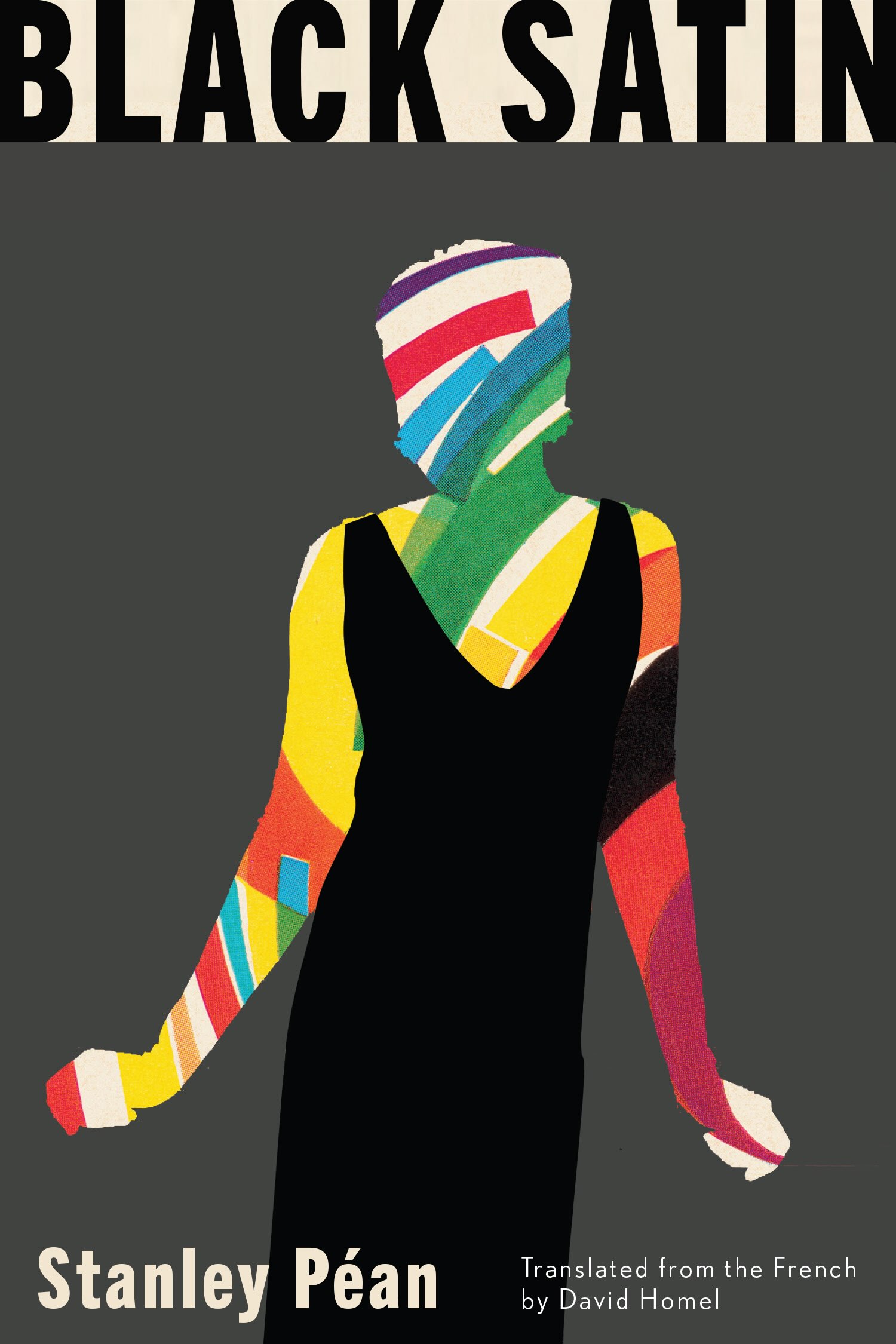
The elegant portraits in this book, as the author says, “uncover the lives of women jazz artists who have been unfairly neglected, underestimated, even cancelled by the leading historians of jazz–most of them men.” Pianists, singers, composers, harpists, trumpeters, they gave their all to this music born from the experience of Black people in America. Stanley Péan shines a light on fifteen women musicians who may have known their share of glory during their lifetime, but who have since been relegated to the footnotes of jazz history, despite what they brought to it, individually and collectively. In these essays, Ma Rainey, Lillian Hardin Armstrong, Valaida Snow, Hazel Scott, Mary Lou Williams, Bessie Smith, Dorothy Donegan, Dorothy Ashby, Ina Ray Hutton, Clora Larea Bryant, Melba Liston, Jutta Hipp, Shirley Scott, and Geri Allen reclaim their rightful place.
Stanley Péan concludes Black Satin with an essay on abolitionist Harriet Tubman, expanding the book’s field. He states of Tubman, “She died over a century ago, yet she has continued to inspire artists of all backgrounds, working in all disciplines. Though it has been durable, her role as a muse is a neglected aspect of her legacy.”
About the Author
Stanley Péan is the author of eight novels and seven short story collections. He has been piloting “Quand le jazz est là” every week night on ICI Musique, Radio-Canada’s all-music radio network for the last thirteen years.
David Homel is the author of ten novels and a memoir, as well as a series of books for younger readers co-written with Marie-Louise Gay. A prize- winning writer and translator, he has worked in documentary film, print and radio journalism. He lives in Montreal.
Other books by Stanley Péan: Black and Blue: Jazz Stories by Stanley Péan, translated by David Homel
You Might Also Like